When Should You Use PHP Development? A Practical Guide for Companies

A startup spends months building a product with a complicated, trendy tech stack, but later they realize that most of their needs were simple, like a dashboard, user login, and content management. Until then, the time was wasted, the budget was stretched, and the technology became a problem instead of a solution.
This situation is more common than most teams admit. In many cases, the real problem isn’t the idea, but it’s choosing a stack that’s heavier than the problem itself.
What’s interesting is that many of these projects didn’t need complexity in the first place.
This blog explores how PHP development is still quietly winning in 2026. Not because it’s trendy, but because it fits real-world business needs better than most alternatives.
PHP in 2026: What It Is & Where It’s Used Today
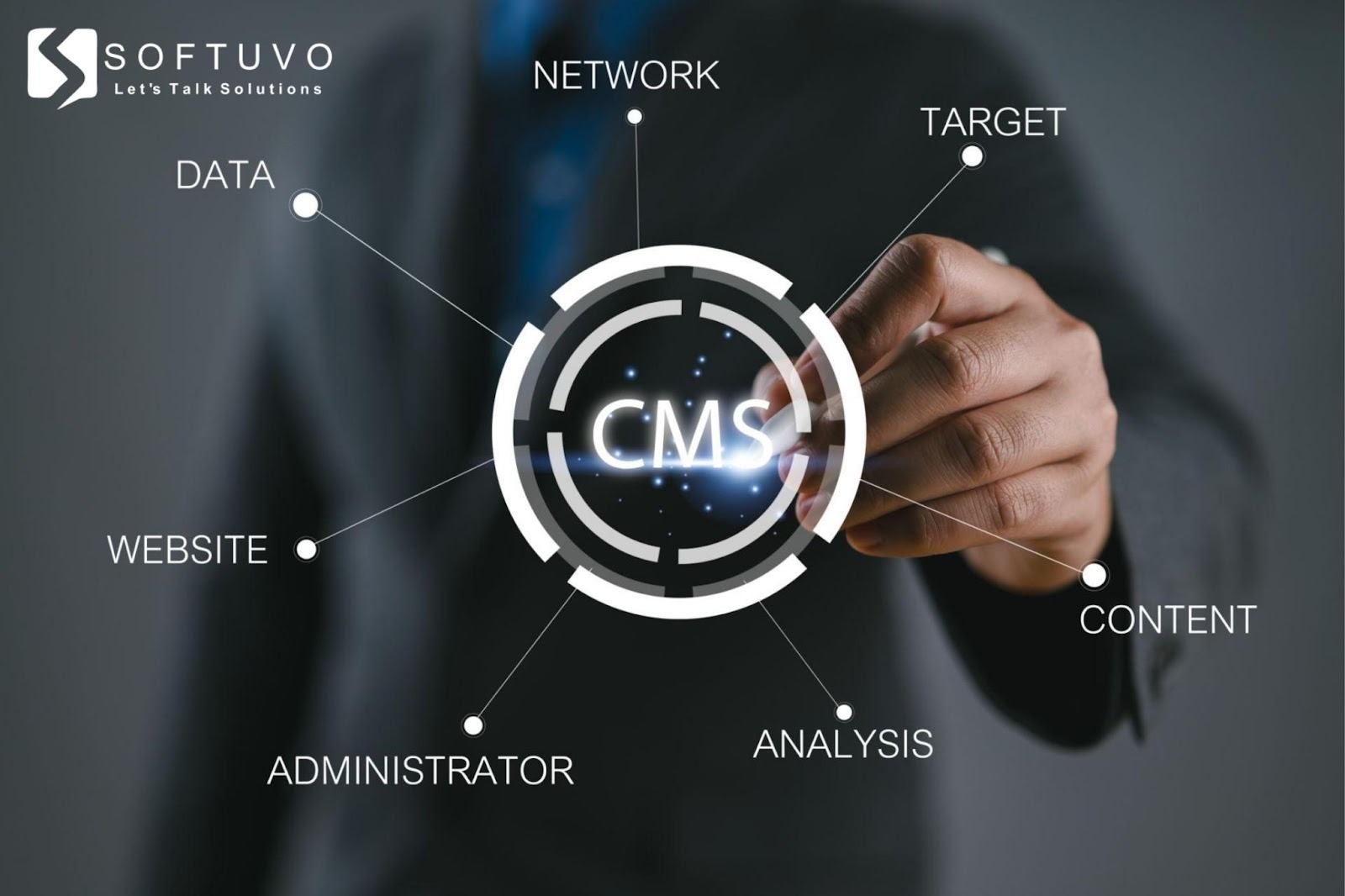
PHP is a server-side scripting language designed for web development, but in 2026, its role is much more defined: it powers the content-driven and business-critical side of the web.
And the numbers make it very clear that over 70% of websites with a known backend still use PHP, and around 75% or more of websites rely on PHP as a server-side language
But numbers alone don’t tell the full story. Let’s look at where PHP is actually used today:
Content Management Systems (CMS)
WordPress alone powers 42%+ of all websites globally. This includes blogs, news platforms, company websites, and even enterprise-level content systems.E-commerce Platforms
Around 60% of e-commerce stores rely on PHP-based platforms. Tools like WooCommerce and Magento continue to dominate.Business Applications & Portals
Internal dashboards, CRMs, and admin panels are still heavily built using PHP due to its simplicity and database strength.API & Backend Systems
Modern PHP frameworks (like Laravel) are widely used to build APIs that connect mobile apps and frontend frameworks.
PHP is not trying to do everything, but it dominates where content, data, and business logic intersect.
When Should You Use PHP Development?
This is the decision-making core. Not every project needs PHP, but when it fits, it performs exceptionally well.
When Your Platform Is Content-Heavy
Content-heavy platforms don’t fail because of the lack of features; they fail when managing content becomes slow and dependent on developers.
PHP sits at the core of most CMS ecosystems, where publishing a blog, updating a page, or managing media is as simple as using a dashboard. Teams don’t need technical knowledge to keep the platform active.
This is also why businesses relying on PHP web development services are able to scale content operations without increasing technical dependency.
And this isn’t a niche use case; WordPress alone powers a massive portion of the web, including enterprise content platforms.
When You Want to Launch Fast
Some stacks make you set up the system before you can even start building.
But PHP doesn't; you can move from idea development to deployment without getting stuck in configuration layers. That’s why teams under time pressure often choose it.
Think of situations like:
Testing a product idea
Launching a service website
Building an internal tool quickly
Instead of spending weeks preparing the environment, you start delivering features from the very first day.
When Cost Is a Real Constraint
While scalability is a universal business concern, initial decisions are frequently dictated by budget limitations.
PHP fits naturally into this reality. There are no licensing costs. Hosting doesn’t demand high-end infrastructure, and because the developer ecosystem is large, hiring doesn’t become a bottleneck.
In simple terms, you’re not paying extra just to keep the system running.
For businesses seeking efficiency without sacrificing output, PHP development solutions for businesses offer a grounded, cost-aware approach.
When Building E-commerce Platforms
In e-commerce, old technology doesn't cause failure; unstable systems do. Everything, from orders to payments to product data, needs to work the same way every time.
PHP has been handling these systems for years, which is why platforms like WooCommerce and Magento are still widely used. They’re not flashy, but they’re reliable.
When revenue depends on your platform, reliability matters more than experimentation, and PHP delivers that.
When Your Application Is Data-Driven
Not every application needs a complex architecture to handle data. If your system revolves around user dashboards, admin panels, reports, and analytics, then the goal is clarity, not complication.
PHP keeps things straightforward. It connects easily with databases, handles user authentication smoothly, and doesn’t introduce unnecessary layers.
The result is simple: clean data handling without overengineering the backend.
When Long-Term Stability Is a Priority
Some technologies look great in the short term but become difficult to maintain over time.
PHP works differently. It has already matured, which means you are working with a stable ecosystem and your project won’t become dependent on rare expertise or constant rewrites.
You’re not just building for today; you’re building something that can be maintained years down the line.
Real-World Proof: PHP Is Still Running the Web
This isn’t theoretical. Some of the most widely used platforms still rely on PHP:
WordPress: Used by companies like TechCrunch, CNN, Spotify
WooCommerce: Powers millions of online stores
Magento: Used by large-scale e-commerce businesses
And here’s the key insight: beyond big names, thousands of companies quietly run their internal systems, portals, and websites on PHP because it works consistently and predictably.
Additional Insights About PHP
A few realities that matter in 2026:
PHP has moved to modern versions (PHP 8+), improving performance significantly
Frameworks like Laravel have made PHP more structured and scalable
Hosting infrastructure worldwide is still optimized for PHP
Also, unlike some newer technologies:
PHP doesn’t demand constant infrastructure changes
It works efficiently even on shared hosting
That’s why millions of small and mid-sized businesses still rely on it.
Practical Tips for Businesses Choosing PHP
If you’re considering PHP development, keep this practical:
Don’t use outdated PHP versions
Always choose modern PHP (8+) for performance and securityChoose the right framework
Laravel for scalability, WordPress for contentAvoid over-customization early
Start simple and scale when neededFocus on business logic, not tech hype
Technology should support growth, not slow it down
Future Scope of PHP in 2026 and Beyond
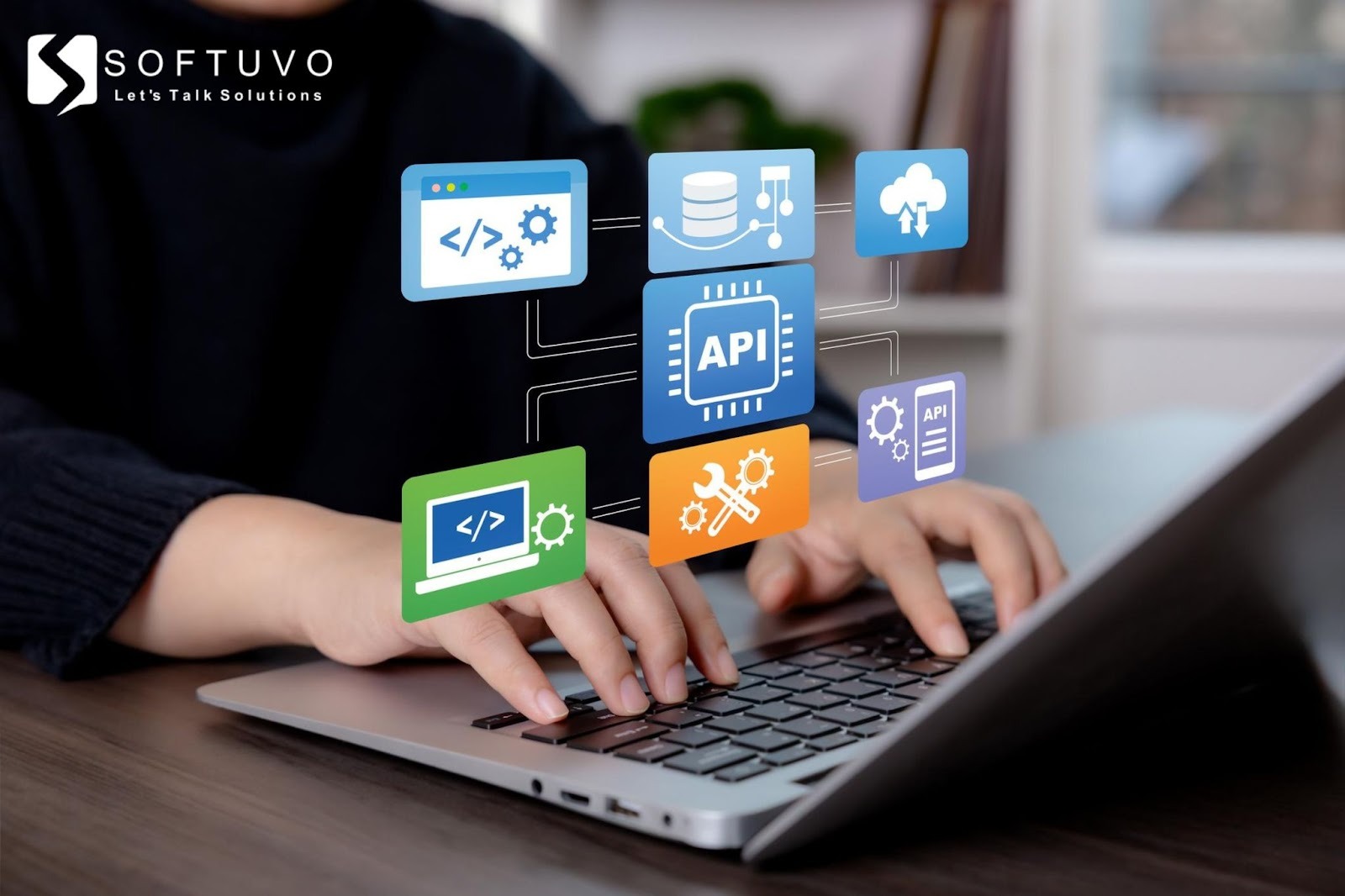
PHP is not chasing trends; it’s evolving alongside them.
It continues to play a strong role in backend systems and APIs
It integrates well with modern front-end frameworks
It remains relevant for business-focused web applications
Rather than replacing PHP, the industry is learning where it fits best and using it there effectively.
At Softuvo, we approach PHP strategically, selecting it only when it aligns with our focus on business-first solutions over technical complexity. We use modern PHP frameworks and architecture to build scalable and maintainable systems, ensuring all development directly supports real business goals.
The approach is simple: use PHP where it delivers the most value.
Conclusion
The conversation around technology often revolves around what’s new, but in business, what matters is what works.
PHP continues to power a significant portion of the internet, not because it’s the latest trend, but because it solves real problems efficiently.
If your goal is to build something content-driven, cost-effective, stable, and scalable
Then, PHP development for companies is still one of the smartest decisions a company can make, and in the end, clarity beats complexity every single time.
PHP development
Modern PHP development for business web applications
From Laravel and CakePHP builds to upgrading legacy PHP codebases, Softuvo keeps your web platform fast and maintainable.
Prefer email? Write to [email protected] or use the contact form.