Softuvo Logo

Logistics

  • Supply Chain Optimization
  • Fleet & Route Management
  • Logistics Data & Analytics

Digital Transformation

  • Cloud & Infrastructure
  • Web & App Modernization
  • Experience Design (UI/UX)

AI & Agentic Systems

  • Generative AI Integration
  • Predictive Analytics
  • Intelligent Automation

Low-Code Development

  • Platform Integration
  • Rapid Prototyping
  • Custom Workflow Automation

Cybersecurity Solutions

  • Intelligent Cyber Defense
  • Data Protection
  • Compliance & Governance

Website Development

  • PHP Development
  • Laravel Development
  • NodeJS Development
  • Cake PHP Development
  • Django Web Development
  • Angular Development
  • WordPress Development

Digital Marketing

  • Search Engine Optimization
  • Social Media Marketing
  • Pay Per Click
  • Content Writing
  • App Store Optimization
  • Online Reputation Management

UI/UX Design

  • Custom Web Design Services
  • Interface Design for Mobile App
  • Front End Development
  • Web Design Services
  • E-Commerce App Design
  • iOS and Android App Designs

Internet of Things

  • Consumer Application
  • Infrastructure Management
  • AR-VR Apps

Managed Services

  • Quality Assurance
  • Hire Resources
  • Maintenance & Support
  • Cyber Security

Mobile App Development

  • iOS App Development
  • Android App Development

Cross-Platform App Development

  • Flutter App Development

Emerging Technologies

  • Bots Development
  • Wearable Development
  • Hybrid Development
  • Ibeacon Development
  • IoT App Development

Client Stories

Healthcare & Life SciencesFinance & BankingRetail & eCommerceManufacturing & AutomotiveEducation & eLearningTechnology & Startups

By Industry

    Healthcare TrendsRetail InnovationFinance Digital Shift
Become Our Client
Become Our Client
Industries We Serve :
Healthcare & Life SciencesFinance & BankingRetail & eCommerceManufacturing & AutomotiveEducation & eLearningTechnology & Startups
Softuvo Logo

Softuvo Solutions is a trusted technology leader in web, software, and mobile app development for various industries. We focus on delivering unique, high-quality digital solutions that help your business build a strong presence in the market.

Our mission is to help you grow by overcoming technological challenges. From start to finish, we ensure you receive reliable, continuous support.

Company

  • About Us
  • Services
  • Our Team
  • Technologies
  • Case Studies
  • Industries
  • Research
  • Hire Developers
  • E-Magazine
  • DevOps
  • Offshore Staffing
  • Outsourcing To India

Resources

  • Careers
  • Awards
  • Work with The Top Developers
  • Cheaper and Better
  • How We Work
  • Offshore Development
  • Privacy Policy
  • License
  • FAQs
  • Blogs

Contact Information

01723505700

Mon–Fri 9 am to 6 pm

info@softuvo.com

Online support

D-199, Industrial Area

Phase - 8B, Mohali

INDIA

D-199, Industrial Area,
Phase - 8B, Mohali

Singapore

70 Duxton Rd,
Singapore 089529

Canada

1083 Boul. Vachon N., Suite 205,
Sainte-Marie, Quebec

Sweden

Gardstunet 219447 Upplandsvaby
Stockholm, Sweden

© All rights reserved by Softuvo

Insightful Tech Insights & Innovations

Explore our blog for the latest trends, expert tips, and in-depth articles on IT services, digital transformation, and cutting-edge technology solutions. Stay ahead with Softuvo's insights and innovations.
Reading Illustration

Future Software: No-Code Visual Coding
By: diksha|August 10, 2018|Last updated: 9/17/2021

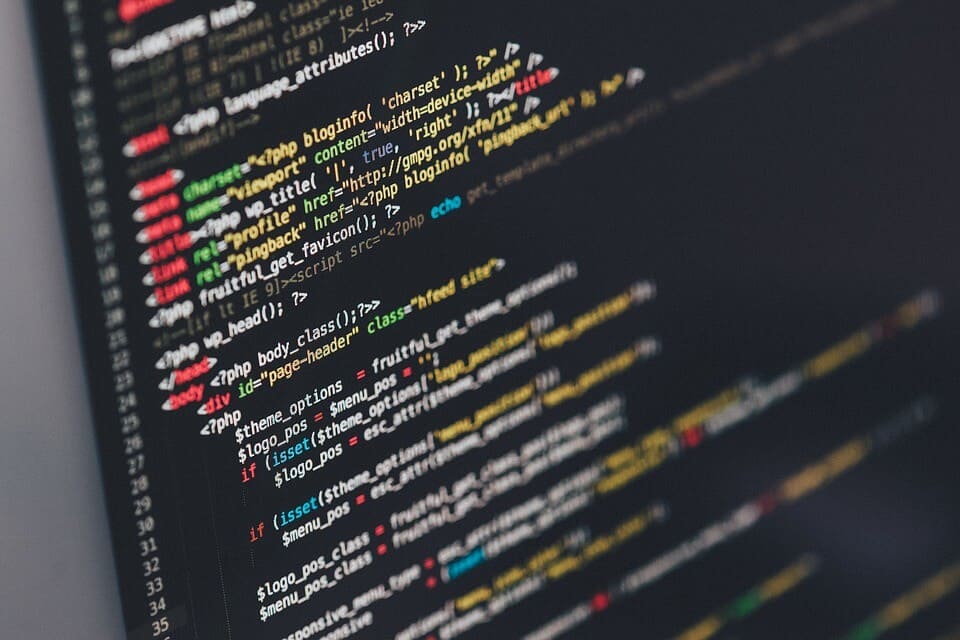
Future software is flipping and is seen as no-code. Digital computers were not really useful at their early phase. Punch cards and command oriented functions made it even complicated to use a computer. They were far from powerful but devilishly hard to program. Assembly codes were used to instruct, which was not only difficult but was ridiculously time consuming. With the introduction to FORTRAN in 1950s, it started to change. Command statement replaced assembly language with command statements that compiled the lower level code into something roughly resembled English. Later, high level languages built on basic logic was being used and turned low-level code into something even simpler.

Now, influencing companies like Zudy, Mendix and Quick Base are taking initiative to transform code into visual interfaces. Although the basic logic will be same as FORTRAN but it will replace coding and can be represented more simply and is considered as future softwware. These no code programming systems are expected to disrupt how software power enterprises.

“Visual interface is the key to no-code programming platforms”

Earlier, technology was in favour of big enterprises only as it would take huge investments and equipment. Expensive consultants were appointed to design and construct the system accordingly. Also., once they were built, it was not possible to modify or upgrade them as the procedure was time consuming and expensive as well. Attitude of developers was “we built it, you should like it”. But cloud disrupted this legacy by availing powerful system to the medium and small sized organisation via internet. APIs (application programming interfaces) makes it possible to connect with other possible systems. It basically changes the technical landscape by deploying agile services to SMEs but no-code software platforms are making it even simpler for the firms to gain competitive advantage over their rival firms using future software.

No-code platforms flipped the overall technical scenario, if we look closely. “A big part of the benefit to no-code or low-code platforms is that they let you access elements of a development environment visually rather than actually writing the code yourself. That accelerates development and improves quality at the same time.” visual interfaces are preferred because they are easy to understand and use for front-line managers and other non-technical people, not familiar to up-front technical programming. Visual interfaces enable them with better basic functionalities such as building their own screens, features and designs so that they can show developers what they want rather than try to explain it.

Now, computer systems are less high-tech and more user experience oriented. It offers more power to the users to utilise it for better use.