What Problems Can Fleet Management Software Solve for Businesses?
Managing a fleet today is very different from how it worked a decade ago. Modern businesses depend on fast deliveries, accurate tracking, and efficient transportation operations. Yet many companies still rely on manual processes, spreadsheets, and phone calls to manage their vehicles.
This lack of visibility creates hidden operational challenges. Managers may not know where vehicles are, how drivers are performing, or whether fuel and maintenance costs are increasing.
These challenges are one of the reasons why the global fleet management software market is growing rapidly. Modern fleet platforms use technologies such as telematics, analytics, and GPS fleet tracking software to provide businesses with real-time insights.
At Softuvo, we work with logistics businesses to transform fleet operations using intelligent digital systems. Before exploring how these platforms work, let’s understand the real operational problems fleet management software helps solve.
The Growing Complexity of Fleet Operations
Fleet operations involve far more than managing vehicles. Businesses are also handled:
Driver safety and performance
Fuel consumption and cost control
Vehicle maintenance schedules
Delivery timing and route coordination
Compliance and operational reporting
Fuel alone represents a major operational cost in many fleets. Without proper systems, managing these variables becomes difficult, especially for businesses operating large fleets.
Fleet management software centralizes these operations and helps companies to manage their fleets using real-time data.
1. Lack of Real-Time Visibility Into Vehicles
One of the most common challenges for fleet managers is not having clear visibility into vehicle movements.
Without a reliable tracking system, businesses often face problems such as:
Delayed deliveries
Poor communication with drivers
Difficulty locating vehicles during emergencies
Inefficient dispatching decisions
This is where GPS fleet tracking software becomes essential.
A tracking system monitors vehicle locations in real time, helping them respond quickly to traffic delays or route changes. For logistics companies managing multiple vehicles across regions, this level of visibility is critical.
2. Rising Fuel Costs and Inefficient Driving
Fuel expenses are one of the biggest challenges in fleet management. Even small inefficiencies, such as unnecessary idling, aggressive driving, or poorly planned routes, can significantly increase fuel consumption.
Fleet management platforms analyze driver behavior and vehicle performance using telematics data.
For example, a fleet analytics dashboard can show patterns such as:
Excessive idle time
Rapid acceleration or braking
Unnecessary mileage
Fuel usage trends
By identifying these issues, businesses can implement better driving practices.
Research shows that telematics systems can help reduce fuel costs by 10–20% through improved driving behavior and route optimization.
3. Unexpected Vehicle Breakdowns
Vehicle downtime is one of the most expensive disruptions in fleet operations. When a truck breaks down during a delivery, businesses may experience:
Delivery delays
Expensive repairs
Lost productivity
Dissatisfied customers
Traditional maintenance schedules often rely on fixed service intervals, which may not reflect the actual condition of the vehicle.
Modern fleet management software uses telematics and vehicle diagnostics to monitor engine performance and maintenance needs.
Predictive maintenance tools can identify early warning signs of mechanical issues and schedule servicing before failures occur.
Some large fleet operators already use data-driven maintenance systems that analyze millions of vehicle data points to prevent unexpected breakdowns and reduce downtime.
4. Limited Operational Data for Decision Making
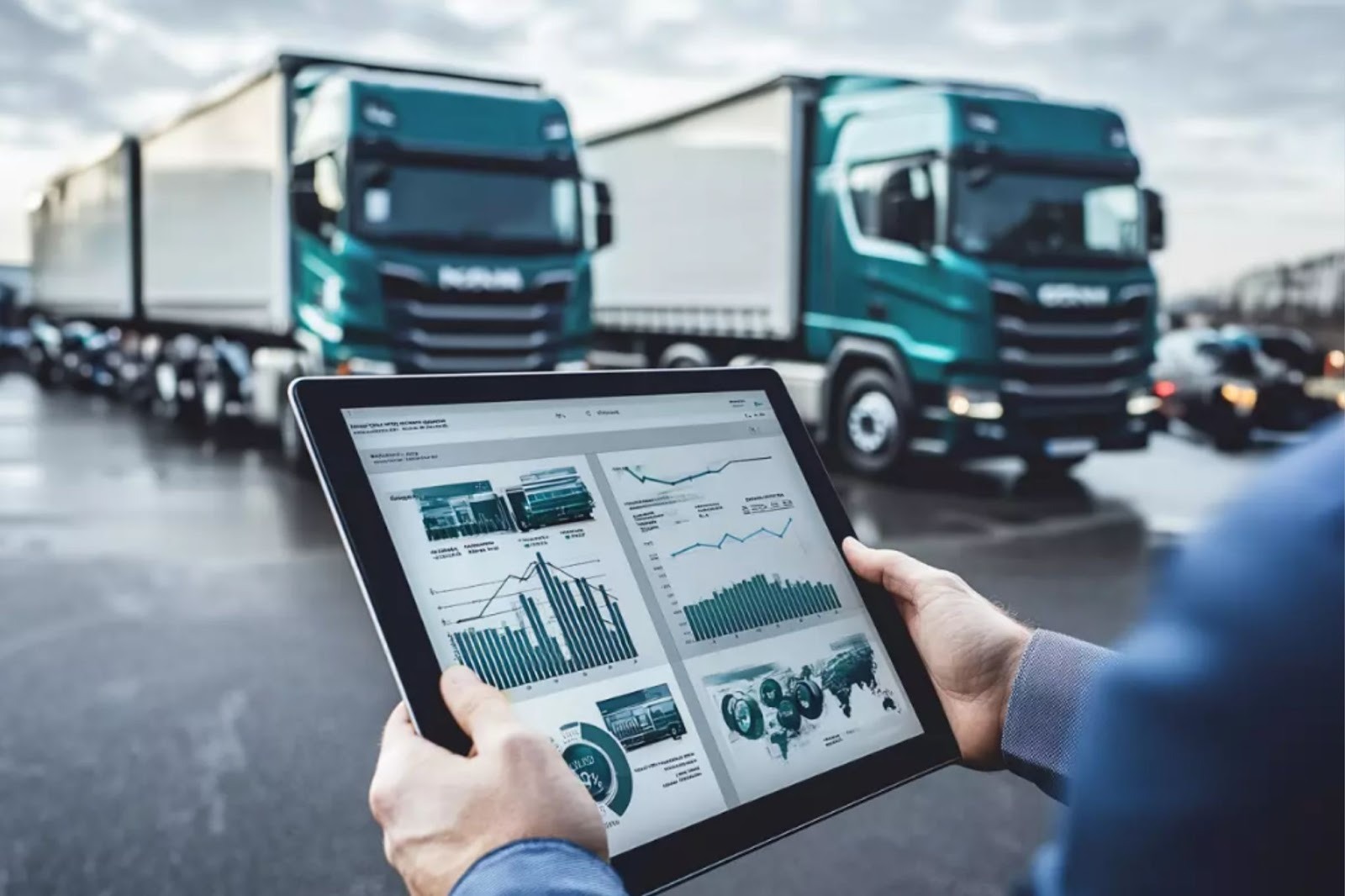
Many businesses collect operational data but struggle to analyze it effectively. Fleet managers often rely on spreadsheets and manual reports, making it difficult to track performance trends across the entire fleet.
A fleet reporting and insights dashboard solves this problem by consolidating operational data into a single platform.
With centralized reporting tools, businesses can track key metrics such as:
Vehicle utilization rates
Fuel consumption patterns
Driver safety performance
Maintenance costs
Delivery efficiency
These insights allow companies to identify inefficiencies and make informed decisions about fleet operations.
Instead of reacting to problems after they occur, businesses can proactively optimize their fleet performance.
5. Driver Safety and Risk Management
Driver behavior has a direct impact on both safety and operational costs. Unsafe driving habits, such as speeding, harsh braking, and distracted driving, can increase accident risks and vehicle wear.
Fleet management platforms monitor driver behavior through telematics data. Managers can identify risky driving patterns and provide training to improve safety.
Research shows that monitoring driver behavior through telematics systems can reduce accidents and improve driving performance while lowering insurance costs.
6. Administrative Overload in Fleet Management
Fleet managers often spend a large portion of their time handling administrative tasks such as:
Preparing operational reports
Tracking driver work hours
Managing maintenance records
Monitoring vehicle inspections
Manual reporting processes can be time-consuming and prone to errors. Fleet management software automates these processes through centralized reporting systems.
A fleet reporting and insights dashboard automatically generates operational reports, helping managers analyze fleet performance quickly.
This reduces administrative workload and allows managers to focus on improving efficiency and strategy.
The Role of Data and Technology in Modern Fleet Management
Fleet technology is evolving rapidly.
Modern systems combine:
GPS tracking
IoT vehicle sensors
telematics data
predictive analytics
Telematics platforms collect data about vehicle performance, driver behavior, and fuel consumption, allowing businesses to make data-driven decisions that improve operational efficiency.
As logistics operations become more complex, data-driven fleet management will become increasingly important.
How Softuvo Helps Businesses Build Smarter Fleet Platforms
At Softuvo, we help logistics and mobility businesses develop intelligent fleet solutions to their operational needs.
Our platforms integrate:
GPS fleet tracking software for real-time vehicle monitoring
Intelligent fleet analytics dashboards for operational insights
Automated fleet reporting and insights dashboards for performance tracking
By combining real-time tracking with advanced analytics, businesses gain the visibility and control needed to optimize their fleet operations.
These digital solutions help companies reduce operational costs, improve delivery performance, and scale their logistics networks efficiently.
Final Thoughts
Fleet management is no longer just about tracking vehicles; it is about managing data, efficiency, and operational strategy.
Modern fleet management software helps solve these problems by centralizing operations and turning vehicle data into actionable insights.
At Softuvo, we help organizations build scalable fleet solutions that combine real-time tracking, analytics, and automation, enabling businesses to operate smarter and stay competitive in the evolving logistics landscape.
Fleet & route management
Cut fuel and idle time with dynamic route optimization
Softuvo builds fleet and route management software that plans, re-plans and tracks deliveries against live traffic, capacity and time windows.
Prefer email? Write to [email protected] or use the contact form.